
Singapore Specials: How to Adopt, Raise, and Love Our Local Dogs
Singapore Specials are our local mixed-breed dogs - smart, sensitive, and often misunderstood. This guide covers where to adopt, how Project ADORE works for HDB homes, plus decompression, training, daily care, and SG community resources so you’re not doing it alone.
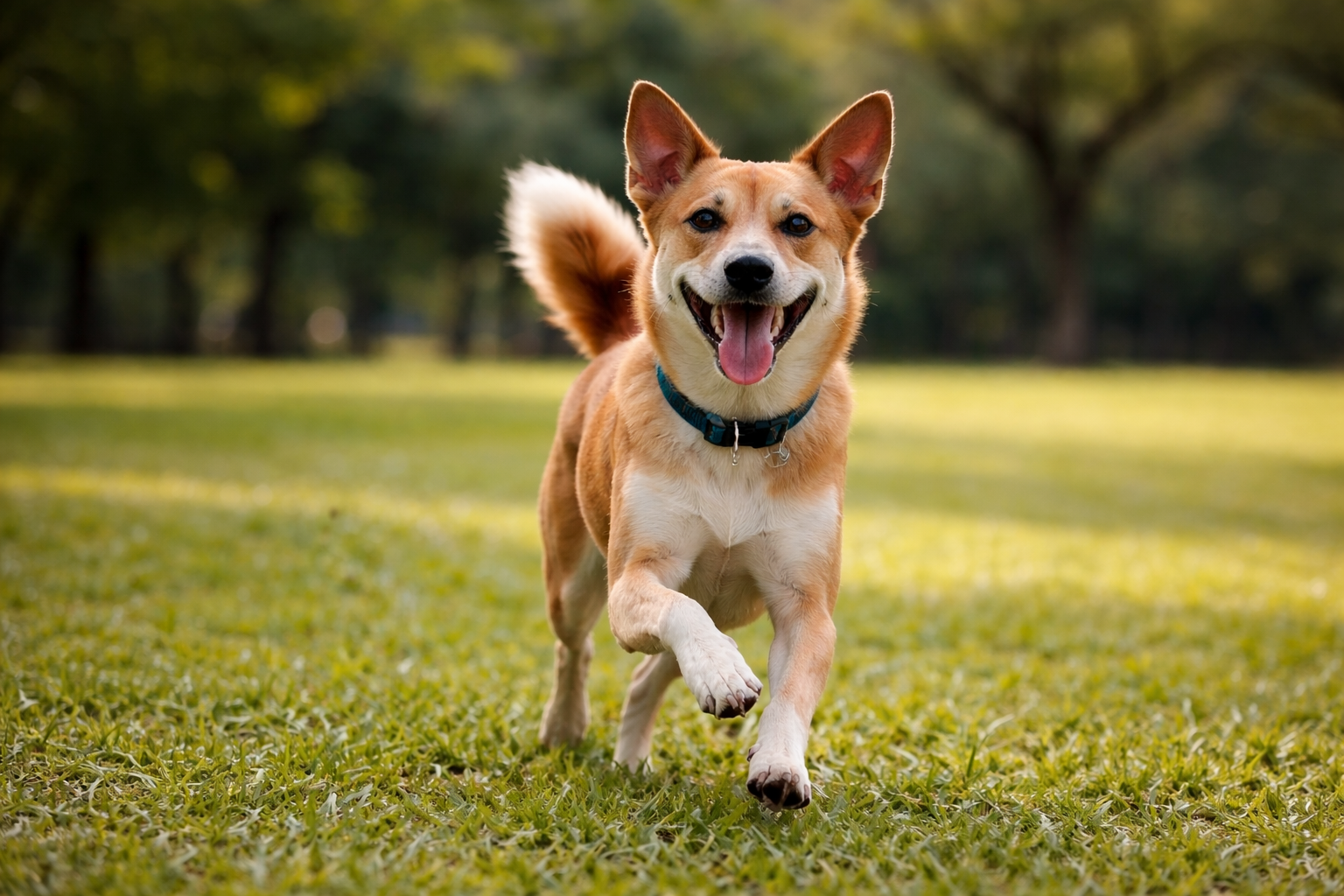
Singapore Specials don’t come with pedigree papers - they come with street-smarts, big feelings, and the kind of loyalty that’s earned (not demanded). If you’ve ever heard they’re “unpredictable” or “difficult”, here’s a kinder, more accurate reframe:
Most Singapore Specials aren’t difficult. They’re sensitive, observant, and learning what “safe” feels like. With the right match, time, and positive training, they can become deeply loving, wonderfully trainable companions.
What are Singapore Specials?
“Singapore Special” is our local term for mixed-breed dogs, often rescued from the streets or born to rescued parents. They aren’t one single “breed”, so they vary in looks and size - but many share traits shaped by our environment:
- Usually short coats (often more comfortable in our heat)
- Alert, intelligent, adaptable
- Resilient… but sometimes cautious at first
Why the stigma exists
Some Singapore Specials come from unstable backgrounds (stray life, abandonment, under-socialisation). Early on, that can look like:
- Shyness or freezing
- Startling at lift dings, corridor footsteps, sudden umbrellas
- Barking/lunging when overwhelmed (reactivity)
- Avoidance around strangers
That’s not “bad temperament”. That’s a dog with a past - and a dog who can improve massively with predictability, gentle exposure, and confidence-building.
Adoption in Singapore: where to start
You can find Singapore Specials through adoption - and reputable groups will guide you through matching, not push you to “just take one home”.
Organisations to check first
- SOSD (Save Our Street Dogs) - adoption resources + listings.
- SPCA Singapore - adoption info, and Project ADORE details.
- ASD (Action for Singapore Dogs) - adoption listings (HDB + non-HDB).
- Causes for Animals (CAS) - adoption listings + process.
- Exclusively Mongrels - advocacy + rehoming support for Singapore Specials.
- OSCAS (Oasis Second Chance Animal Shelter) - long-term shelter and adoption for mostly medium-sized Singapore Specials.
- Purely Adoptions - rescue and rehoming of dogs and cats, with guidance throughout the adoption process.
(VFA is better known for rescuing retired breeding dogs, but they do rehome dogs too; check their official channels.)
What the adoption process usually looks like
Most reputable rescues follow a similar flow:
- Application / questionnaire (your routine, home setup, experience)
- Screening chat (to match you well — not to “test” you)
- Meet-and-greet (sometimes more than once)
- Home check (safety + dog-proofing advice)
- Trial homestay / decompression period (common, especially for shy dogs)
- Adoption finalised + fee (often includes vaccinations/microchip/sterilisation support)
What the adoption fee usually covers
Fees vary, but they typically help offset rescue costs like vet checks, vaccinations, microchipping, parasite treatment, and sterilisation.
Living in an HDB: Project ADORE, explained simply
Project ADORE (ADOption and REhoming of dogs) is the pathway that allows HDB residents to adopt eligible Singapore Specials under specific conditions.
Key points (the practical version):
- The dog must be a local mixed-breed and up to 55cm in height.
- Only one dog is allowed per residential unit, including under ADORE.
- Dogs must be licensed, microchipped, vaccinated, and sterilised, and owners must follow responsible behaviour requirements.
- Under Project ADORE, adopters also have to complete compulsory basic obedience training with an approved trainer – this helps both dog and human learn how to live calmly in an HDB environment.
If you're unsure whether a dog is ADORE-suitable, the rescue will guide you — that's part of responsible matching.
Raising a Singapore Special: a practical, Singapore-first care guide
Gentle note: Every dog is an individual. If your dog has medical or behavioural concerns, speak to a vet and a qualified, force-free trainer.
1) The first weeks: decompression is not “spoiling”
A common first-timer surprise: many rescue dogs need time before you see their true personality.
A helpful framework is the 3–3–3 adjustment arc:
- First 3 days: overwhelmed, observing, possibly shut down
- First 3 weeks: routines settle, trust begins
- First 3 months: confidence grows, personality blooms
If your dog hides, startles, or eats less at first — you’re not failing. This is normal decompression.
What helps most:
- Predictable routines (walk/meal/rest)
- A calm “safe zone” at home
- Slow introductions to visitors
- Letting the dog choose distance early on
2) Training: confidence first, obedience second
Singapore Specials are often very smart — which is amazing, because they learn quickly… including unhelpful patterns.
Start with:
- Name response (“look”)
- Loose-leash walking
- Calm greetings
- Settle on a mat (huge for flats)
If your dog is reactive (dogs, bicycles, corridor noises):
- Create distance from triggers
- Reward calm looking
- Gradually close distance over time
Tiny daily practice (5–10 minutes) beats one long weekend session. Small steps, big wins.
3) Walks in Singapore: timing + sniffing matter
Because it’s hot here, many Singapore Specials do best with:
- Early morning + evening walks
- “Sniff walks” (slow, exploratory, mentally satisfying)
- Water breaks and shaded routes
A dog who gets to sniff is often a calmer dog at home — and yes, it’s pawsitively underrated.
4) Grooming: low-maintenance coat, non-negotiable basics
Most Singapore Specials have short coats, but don’t skip:
- Brushing 1–2x weekly (helps spot ticks/skin issues)
- Thorough drying after rain/baths (humidity can trigger skin flare-ups)
- Nail trims, ear checks, and dental care (small habits, big payoff) — see our Singapore dog grooming cost guide for what to expect
5) Food and weight: don’t let “food love” become obesity
Some ex-strays can be very food-driven (understandably). Use that for training — but keep portions consistent so weight stays healthy, especially for indoor lifestyles.
If you're switching diets, go slow (7–10 days) to avoid tummy drama. For more guidance on feeding, check out our dog nutrition basics guide.
6) Vet care in Singapore: what to plan for
Local realities include:
- Tick/flea prevention year-round
- Heartworm prevention
- Humidity-related skin issues
- Joint support as they age (especially medium-sized dogs)
Ask the rescue what testing was done (e.g., tick fever/heartworm) and whether follow-ups are needed.
Common misconceptions
“Singapore Specials are unpredictable.”
Many are cautious at first. Once they feel safe, they’re often steady and deeply affectionate.
“They’re hard to train.”
Most learn routines quickly — training is usually about confidence and calm exposure, not force.
“They can’t live in flats.”
Many thrive in apartments with daily walks, enrichment, and good neighbour manners — and ADORE exists to support exactly this.
Conclusion: why Singapore Specials are truly “Special”
Singapore Specials are, in many ways, the most Singapore dogs you can have: resilient, adaptable, a little street-smart — and surprisingly soft once they trust you.
Adopting one isn’t always the easiest path. But it’s often the most meaningful. You’ll gain a companion who learns to love you with their whole body: the slow wag that becomes a full-body wiggle, the proud “I did it!” face during training, the quiet loyalty of tiny paw-steps following you everywhere.