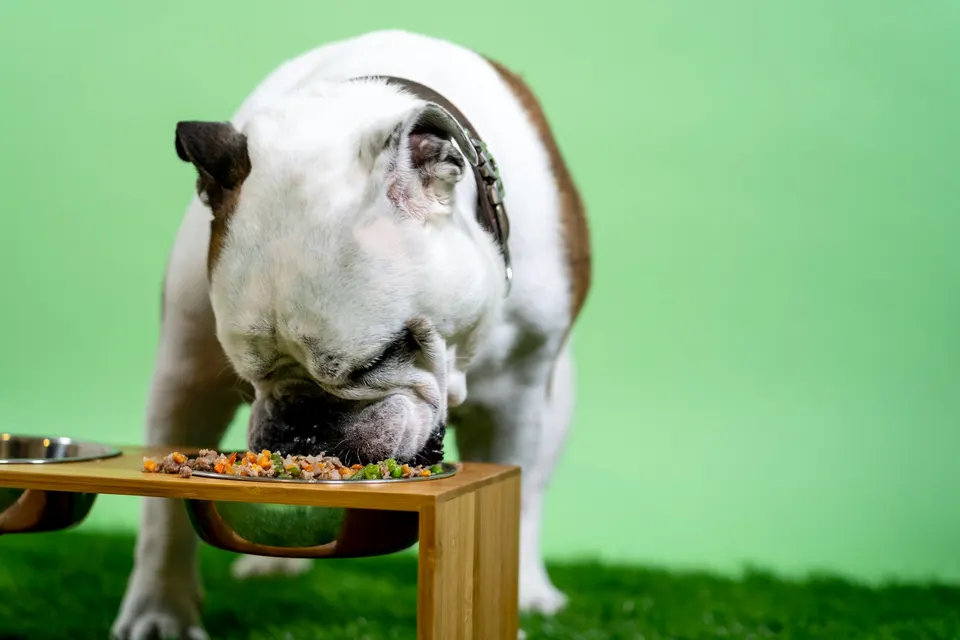
Fresh dog food delivery in Singapore has moved from niche to normal. PetCubes is in freezers, The Grateful Pet is on delivery routes, BOM BOM builds personalised raw and cooked plans, and newer brands like The Bon Pet are making gently cooked meals feel as easy as ordering groceries.
The promise is attractive: real ingredients, portioned packs, cold-chain delivery, fewer decisions at dinner. The catch is cost, freezer space, and the fact that "fresh" is not the same thing as "right for your dog".
This guide compares the main formats, current Singapore price signals, and the safety checks to make before you switch.
TL;DR: fresh dog food delivery in Singapore
- Fresh dog food usually means frozen gently cooked meals, frozen raw meals, or customised fresh plans delivered to your home.
- Current pack prices commonly range from about SGD 8.60 to SGD 15 for small ready-to-feed packs, with larger cases around SGD 66 and up depending on protein.
- Gently cooked is the easier entry point for most pawrents because it avoids the pathogen risks of raw while still feeling less processed than kibble.
- Raw can work for some dogs, but CDC, FDA and AVMA all flag real food-safety risks for pets and humans.
- The best question is not "which brand is premium?" It is "is this complete and balanced for my dog's life stage, and can I store and serve it safely every day?"
- If your dog has kidney disease, pancreatitis, allergies, gut disease, is a puppy, or is on medication, ask your vet before switching.
What counts as fresh dog food?
In Singapore, "fresh dog food" usually falls into four buckets.
Gently cooked frozen meals
Meat, organs, vegetables, and supplements are cooked at lower temperatures than kibble extrusion, packed, frozen, and delivered. This is the easiest fresh format for most homes because it reduces raw-handling risk while staying convenient.
Raw frozen meals
Raw meat-based diets, sometimes BARF-style, arrive frozen and are thawed before feeding. They need stricter hygiene and are not ideal for every household.
Customised nutrition plans
Brands ask for your dog's age, weight, condition, and preferences, then portion meals accordingly. BOM BOM, for example, positions itself around customised fresh meals, weekly delivery and nutrition support.
Fresh toppers
Some pawrents use fresh food as 10 to 25 percent of the bowl while keeping a complete kibble or wet food as the base. This can be a practical middle ground, but the total diet still needs to be balanced.
Fresh cooked vs raw: which is safer?
For most Singapore households, gently cooked is the safer first switch.
The CDC says raw pet food can make dogs, cats and humans sick because uncooked animal protein can carry germs such as Salmonella and Listeria. The FDA also found raw pet food more likely than other tested pet foods to contain disease-causing bacteria. AVMA discourages feeding raw or undercooked animal-source protein unless it has been treated to eliminate pathogens.
That does not mean every raw-fed dog will get sick. It does mean raw is a higher-responsibility choice. If you live with children, elderly family, pregnant people, or immunocompromised people, be especially cautious. If you still choose raw, use separate utensils, thaw in the fridge, wash hands and surfaces, and do not let your dog lick faces after eating.
Gently cooked food is not automatically perfect, either. It must still be nutritionally complete for your dog's life stage, stored frozen, thawed safely, and fed in the right amount.
What fresh dog food costs in Singapore
Fresh food costs depend on protein, pack size, dog size, and whether you feed it as the whole diet or a topper. Here are current public price signals.
PetCubes
PetCubes offers gently cooked and raw frozen dog and cat food. Its beef case page lists a 2.24kg beef case at SGD 66, with a subscribe-and-save option at SGD 59.40. Waku Waku Pets' fresh and frozen collection lists individual PetCubes 320g dog trays around SGD 9.50 to SGD 15 depending on protein.
The Bon Pet
The Bon Pet lists dog packs at SGD 8.60 for free-range chicken, SGD 9.70 for grass-fed beef, and SGD 13.30 for kangaroo or fish. It also lists cold-chain delivery tiers: free over SGD 100, SGD 4 from SGD 80 to SGD 99.99, and SGD 9 under SGD 80.
The Grateful Pet
The Grateful Pet positions its fresh dog and cat food as gently cooked and raw, made with human-grade ingredients, delivered throughout Singapore, and aligned to AAFCO and NRC standards. Price varies by product and pack, so calculate by grams per day rather than by box.
BOM BOM
BOM BOM focuses on customised raw and cooked plans, lifetime nutritionist support, weekly delivery in Singapore, and cold-chain management. Because plans are customised, you need a quote or calculator rather than a simple tray comparison.
How to estimate your monthly cost
Do not compare brands by pack price alone. Compare by daily grams and calories.
A small dog eating 200g a day from a SGD 9.70 200g pack will spend about SGD 291 a month if fed only that food. A larger dog eating 600g a day from the same price-per-gram range could cross SGD 800 a month. A 2.24kg case at SGD 66 works out to about SGD 29.46 per kg before subscription discounts, so the monthly cost depends on how many grams your dog needs.
Use this simple calculation:
- Find the brand's recommended grams per day for your dog's weight and life stage.
- Divide the pack size by daily grams to find days per pack.
- Divide the pack price by days per pack.
- Multiply by 30.
- Add delivery fees if your order does not hit the free-delivery threshold.
If the number is uncomfortable, consider using fresh food as a measured topper rather than 100 percent of the diet. A 20 percent topper gives variety without multiplying cost fivefold.
How to compare Singapore fresh dog food brands
Use the same checklist for every brand, not just the nicest photos.
1. Is it complete and balanced?
Look for AAFCO, NRC, FEDIAF or veterinary nutritionist-backed formulation. The WSAVA nutrition guidelines encourage owners and vets to assess whether a food fits the individual pet and whether the company can answer formulation, testing, quality control and calorie questions.
2. Who formulates it?
A brand should be able to say who designed the recipe and what qualifications they hold. "Human-grade" is an ingredient-quality claim, not a complete nutrition credential.
3. How is it made and stored?
Fresh food lives or dies by cold-chain. Check whether it is frozen, how delivery works, how long it keeps frozen, how long it keeps after thawing, and what to do if delivery is delayed.
4. What is the real cost per day?
Big dogs change the maths fast. A brand that looks affordable by pack can be expensive by calorie. Use the monthly formula above.
5. Does your dog need a medical diet?
Dogs with kidney disease, pancreatitis, urinary issues, food allergies, obesity, diabetes, or chronic diarrhoea should not switch casually. Ask your vet whether the proposed food fits the diagnosis.
When fresh food makes sense
Fresh food may be worth exploring if:
- Your dog is picky and you need a more palatable complete diet.
- You want portioned frozen meals and are willing to pay for convenience.
- You are using fresh as a topper and keeping a complete base diet.
- Your dog does better on higher moisture food.
- You have freezer space and can manage thawing safely.
It may not be the best first move if:
- Your dog is doing well on a complete diet and the switch is only for guilt.
- Your budget will make you underfeed or stretch portions.
- Your home cannot manage frozen storage reliably.
- Your dog has a medical condition that requires veterinary diet control.
- You are choosing raw in a household with high-risk humans.
A safer transition plan
Switch gradually unless your vet says otherwise.
- Days 1 to 2: 25 percent fresh, 75 percent old food.
- Days 3 to 4: 50 percent fresh, 50 percent old food.
- Days 5 to 6: 75 percent fresh, 25 percent old food.
- Day 7 onward: 100 percent fresh if stools, appetite, and energy look normal.
Slow down if your dog gets loose stools, vomiting, itch flare-ups, refusal, or sudden thirst changes. If symptoms persist, stop and ask your vet.
For home-cooked DIY rather than commercial fresh delivery, use our homemade dog food guide when it goes live. Homemade diets need balancing; "chicken and rice plus vegetables" is not complete long-term nutrition.
Freezer and delivery reality in Singapore
Fresh food sounds easy until your freezer is full of trays and someone misses the delivery window.
Before subscribing, check:
- How many days of food one delivery contains.
- Whether your freezer can hold that volume.
- Whether delivery is cold-chain or ordinary courier.
- How many delivery attempts are included.
- Whether you can pause, skip, or change cadence.
- Whether packs are single-serve or need weighing after thawing.
The Bon Pet, for example, lists islandwide cold-chain delivery with selectable four-hour windows and subscription cadence flexibility. BOM BOM highlights weekly Singapore delivery and cold-chain management. These operational details matter more than a pretty ingredient list when you are feeding the same food every day.
Fresh food vs the existing dog food guides
If you are still choosing between kibble, wet food and fresh, start with Best Dog Food Singapore. If you already know you want raw specifically, use our raw dog food delivery guide. This page sits between them: fresh cooked, fresh raw, subscriptions, and practical delivery cost.
Frequently asked questions
Is fresh dog food better than kibble? Not automatically. A complete, well-made kibble can be better than an unbalanced fresh diet. Fresh food can be more palatable and higher moisture, but the formulation matters more than the format.
How much does fresh dog food delivery cost in Singapore? Small ready-to-feed packs commonly sit around SGD 8.60 to SGD 15, while larger cases can be around SGD 66 and up. Your monthly cost depends on grams per day, protein, delivery fee, and whether you feed fresh as the whole diet or a topper.
Is gently cooked dog food safer than raw? Generally yes from a food-safety point of view, because cooking reduces pathogen risk. Raw food requires stricter handling and is not recommended by CDC, FDA or AVMA for many households.
Can I mix fresh food with kibble? Yes, if the fresh portion is measured and the overall diet stays balanced. If fresh food is only a small topper, keep the main diet complete and avoid overfeeding.
Which Singapore fresh dog food brand is best? There is no universal best. PetCubes, The Grateful Pet, BOM BOM and The Bon Pet serve different needs. Choose based on complete-and-balanced claims, formulation transparency, cost per day, cold-chain reliability, and your dog's health.
The bottom line
Fresh dog food delivery can be genuinely useful in Singapore: less prep, clearer portions, and more variety than a bag of kibble. But it is not a moral upgrade by default. The best fresh food is complete, safe to handle, affordable enough to feed consistently, and suited to your dog's actual body.
Start with the numbers, not the marketing. Calculate the monthly cost, check who formulated the food, plan your freezer space, and ask your vet if your dog has any medical condition. If all of that still fits, fresh delivery can be a very convenient way to feed well without turning dinner into a second job.