TL;DR
- Yes, a Maine Coon is legal in an HDB flat. Cats have no breed or size restriction in HDB, unlike dogs, so even a 7kg gentle giant is fine.
- You can keep up to two cats per HDB flat. Licensing is free until 31 August 2026, then it becomes an offence to keep an unlicensed cat.
- Expect to pay a few thousand SGD for a pedigree kitten from a licensed breeder. Adoption is far cheaper but purebred Maine Coons rarely come up.
- They eat more, shed more, and need more grooming than the average cat. Budget for it, and brush often.
- Easygoing, sociable, good with kids and other pets. A solid first cat if you can meet the grooming and space commitment.
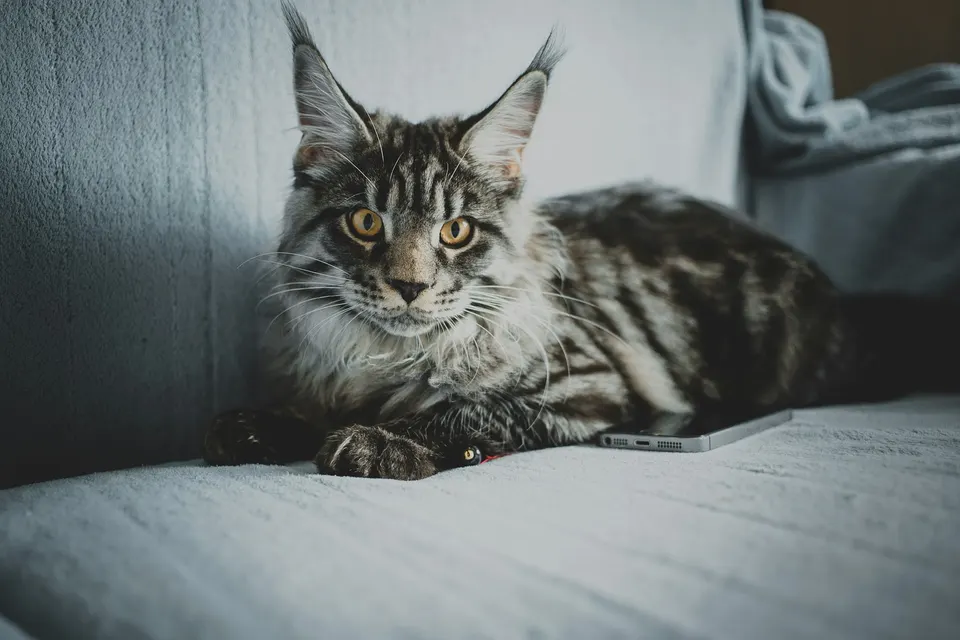
You have seen the photos. The lynx-tipped ears, the magnificent tail, the cat that looks like it could open the fridge by itself. Now you are standing in your HDB living room wondering if a cat this big is even allowed here, and what it would actually cost to look after one in a country that never sees winter.
Good questions. Here are the honest answers, grounded in Singapore rules, Singapore prices, and Singapore weather.
Is a Maine Coon legal in an HDB flat?
Yes. A Maine Coon is perfectly legal in an HDB flat, and this is one area where cat parents have it easier than dog parents.
Since 1 September 2024, cats are allowed in HDB flats under the AVS Pet Cat Licensing Scheme. You can keep up to two cats per flat. The important detail for Maine Coon lovers: unlike dogs, cats have no HDB approved-breed list and no size or weight limit. A dog has to be a specific approved breed to live in an HDB flat. A cat does not. So a Maine Coon that tips the scale at 7 or 8 kilograms is just as welcome as a 3kg moggie.
You do need to license your cat. Microchip the cat first, complete the free online pet ownership course, then apply through the Pet Animal Licensing System (PALS). Licensing is free until 31 August 2026, with lifetime validity for sterilised cats. From 1 September 2026, it becomes an offence to keep an unlicensed cat under the Animals and Birds Act, so do not leave it to the last minute.
One caveat worth flagging. A cat licence is not the same as permission to keep the cat where you live. If you rent, or you live in your parents' flat, make sure the actual flat owner or your estate management is on board. The licence covers the cat; it does not override your tenancy.
If you want the full step-by-step, we have a guide on how to license your cat, and a broader look at the best cat breeds for HDB flats.
What is a Maine Coon actually like?
Maine Coons are often called gentle giants, and the name fits. They are one of the largest domestic cat breeds, and they have a temperament that surprises people who expect a big cat to be aloof.
On size: males commonly reach 6 to 8 kilograms and can stretch close to a metre from nose to tail tip. Females are smaller, usually 4 to 6 kilograms. They are slow growers, often not fully grown until three or four years old, so that kitten will keep getting bigger long after a normal cat has stopped.
The coat is the other headline. It is a thick, water-resistant double coat built for harsh Maine winters, longer around the ruff, belly, and tail. Beautiful, and a commitment, which we will come back to.
Temperament is where they win hearts. Maine Coons are affectionate, sociable, and famously dog-like. Many will follow you from room to room, learn to fetch, and chirp or trill at you rather than meow. They tend to be good with children and other pets, and plenty of them are fascinated by water, so do not be shocked if yours supervises your dishwashing.
They are people-oriented without being clingy. Not usually a lap cat that pins you to the sofa, more a companion that wants to be in the same room, watching what you do.
The honest flip side of all that size and fur: more food, more litter, and a lot more grooming than an average cat. None of it is a dealbreaker. It just needs planning.
Health risks every Maine Coon owner should know
Maine Coons are generally robust cats that live well into their teens, but the breed carries a few hereditary conditions worth understanding before you commit. These are the reasons health screening matters so much when you choose where your cat comes from.
The big one is hypertrophic cardiomyopathy (HCM), a thickening of the heart muscle and the most common heart disease in cats. Maine Coons are genetically predisposed to it, and there is a breed-specific DNA test for the known mutation. A responsible breeder screens for it.
Two others to know: hip dysplasia, which Maine Coons get more than most cat breeds because of their size, and spinal muscular atrophy (SMA), an inherited condition that affects movement. Neither is a reason to avoid the breed. They are reasons to buy from a breeder who tests, and to keep up with regular vet checks once your cat is home.
None of this means a Maine Coon is a sickly cat. It means going in informed, choosing a screened cat, and budgeting for proper veterinary care.
How much does a Maine Coon cost in Singapore?
A Maine Coon is one of the pricier cats you can buy in Singapore, and the range is wide depending on where the cat comes from.
From a reputable AVS-licensed breeder, a pedigree Maine Coon kitten typically runs into the low-to-mid thousands of SGD, and show-quality or premium-lineage kittens go higher. The spread comes down to pedigree, lineage and titles, age, and how much health screening the breeder has done. A breeder who screens their breeding cats for hereditary conditions and raises kittens with proper vet care is going to cost more, and that cost is buying you a healthier cat.
Adoption is the cheaper route, with fees usually a fraction of breeder prices. The catch is supply: purebred Maine Coons rarely turn up in shelters, though Maine Coon mixes and large fluffy cats with the same easygoing nature do appear from time to time. If you are open to a mix or a rescue, you can save a lot and give a cat a home.
A word of caution on bargains. If a "Maine Coon kitten" is being sold for a few hundred dollars, be sceptical. That price usually signals no health screening, no real pedigree, or worse. Ask to see the licence, the parents, and the kitten's vet records.
For a fuller picture of what cat ownership costs over a year, see our cost of owning a cat in Singapore, and if adoption appeals, our guide on how to adopt a cat in Singapore.
The real monthly cost of a big cat
The kitten price is the headline. The monthly cost is the part people underestimate, and with a Maine Coon it runs higher than the average cat for one simple reason: there is more cat.
Here is where the money goes month to month:
- Food. A bigger cat eats more, and Maine Coons do best on good-quality protein-rich food. Larger portions of better food add up.
- Litter. More cat, more litter, and you will want a large or extra-large litter box, which most standard boxes are not.
- Grooming. Either you invest in the tools and brush regularly yourself, or you budget for professional grooming every month or two. With that coat, this is not optional.
- Vet and insurance. Routine vet visits, vaccinations, and ideally pet insurance, which is worth considering given the breed's known health risks.
There are one-off setup costs too: a sturdy, oversized cat tree that can actually hold the weight, a big litter box, a roomy carrier, and scratching posts solid enough to survive a large cat. Flimsy will not last.
Add it up and a Maine Coon's monthly running cost sits comfortably above what you would spend on an average-sized cat. Our cost of owning a cat in Singapore breakdown gives you realistic SGD figures to plan around.
Caring for a double coat in Singapore's climate
This is the question almost nobody answers properly: how does a cat built for Maine winters cope with year-round heat and humidity?
The short answer is, surprisingly well, with help. Most Singapore homes run aircon, and an indoor Maine Coon spends its days in a climate that is a lot kinder than the void deck. They adapt. But that double coat still needs managing, and a few habits make a real difference.
Grooming comes first. That thick coat mats easily, especially around the belly, behind the legs, and under the ruff. Brush two to three times a week as a baseline, and daily during heavy shedding periods. Skip it and you get painful mats that eventually need shaving out at the vet. A slicker brush and a metal comb are your core tools. If DIY is not your thing, book regular sessions with a professional cat grooming service.
Keep them cool. Make sure there is always a cool spot to retreat to, whether that is an air-conditioned room, a fan, or a cooling mat. Fresh water everywhere helps, and many Maine Coons happily drink from a fountain. Never shut one in a hot, unventilated room, and watch for signs of overheating such as heavy panting, lethargy, or drooling.
One thing not to do: do not shave the coat to "cool the cat down." A cat's double coat helps regulate temperature and protects the skin, and shaving it can do more harm than good. Regular brushing, not shaving, is the answer. If you are ever unsure, ask your vet.
Is a Maine Coon a good first cat for an HDB flat?
For a lot of first-time owners, yes. The temperament does the heavy lifting: easygoing, sociable, forgiving of a household that is still learning. They are not a high-strung breed, and that makes the learning curve gentler.
But go in with clear eyes. A few realities to weigh:
- Space. A Maine Coon can live happily in an HDB flat, but a 4-room or 5-room gives it more room to stretch than a studio. Vertical space matters more than floor space, so a tall cat tree and a few high perches go a long way.
- Scratching. Big cat, big scratching instinct. You need sturdy posts, and ideally more than one. Skimp here and your sofa pays.
- Voice. They are chatty. Lovely if you like a cat that talks back, less so if you crave silence.
- Grooming and cost. Covered above, but they belong on this list. This is not a low-maintenance cat.
If you are still building your setup, our first-time cat owner checklist walks through everything you need before the cat comes home, and the best cat breeds for HDB flats guide puts the Maine Coon in context against other options.
Where to get a Maine Coon in Singapore
Two main routes: adopt or buy. We would always nudge you to look at adoption first.
Adoption. Check local shelters, rescues, and rehoming groups. Purebred Maine Coons are rare in rescue, but mixes and large long-haired cats with the same friendly nature do come up. You will pay a modest adoption fee, give a cat a second chance, and often get a cat that is already sterilised and vaccinated.
Licensed breeders. If you go the breeder route, only deal with AVS-licensed catteries, and do your homework. A responsible breeder will:
- Show you a valid licence and let you visit the premises.
- Screen their breeding cats for hereditary conditions, especially HCM (a heart condition), hip dysplasia, and SMA.
- Let you meet the kitten with its mother, and not separate kittens too early.
- Provide vet records and a written contract.
Red flags to walk away from: no licence, cash only, refusal to show you where the cats are raised, no health records, or a price that looks too good to be true. A cheap "Maine Coon" is often neither cheap in the long run nor a real Maine Coon.
Whether you adopt or buy, the first stop afterwards is the same: microchip, course, licence. Then the fun starts.
Frequently asked questions
Is a Maine Coon legal in an HDB flat?
Yes. Cats are allowed in HDB flats, up to two per flat, and there is no breed or size restriction for cats, so a large Maine Coon is fine. You must license the cat (free until 31 August 2026).
How much is a Maine Coon in Singapore?
A pedigree kitten from a licensed breeder typically costs in the low-to-mid thousands of SGD, with premium lineage costing more. Adoption, where available, is far cheaper.
Can a Maine Coon cope with Singapore's heat?
Yes, especially indoors with aircon or good ventilation. The key is regular grooming to manage the coat, plenty of fresh water, and a cool spot to retreat to. Do not shave the double coat.
How big do Maine Coons get?
Males commonly reach 6 to 8 kilograms and can be close to a metre long. Females are smaller, around 4 to 6 kilograms. They keep growing until three or four years old.
Do Maine Coons shed a lot?
Yes. The double coat sheds, more so during shedding periods. Brushing two to three times a week keeps it under control and prevents mats.
Are Maine Coons good with children and other pets?
Generally, yes. They are known for a sociable, easygoing temperament and usually settle well into family households with kids and other animals.
How long do Maine Coons live?
Most Maine Coons live around 12 to 15 years, and some reach 18 or more with good care, regular vet checks, and attention to the breed's known health risks.
Are Maine Coons healthy cats?
Generally yes, but the breed is predisposed to a few hereditary conditions, notably HCM (a heart condition), hip dysplasia, and SMA. Buying from a breeder who screens for these, and keeping up with vet checks, makes a real difference.
The bottom line
A Maine Coon is legal in your HDB flat, lovely to live with, and entirely doable in Singapore's climate. None of that is in doubt.
What you are really signing up for is the upkeep: a bigger food and litter bill, a coat that needs brushing several times a week, and the space and patience a large, sociable cat deserves. Meet those, and you get one of the most affectionate cats you can share a home with.
If you can, adopt. If you buy, buy responsibly from a licensed breeder who screens for health. Either way, license the cat, set up your space, and enjoy the gentle giant.