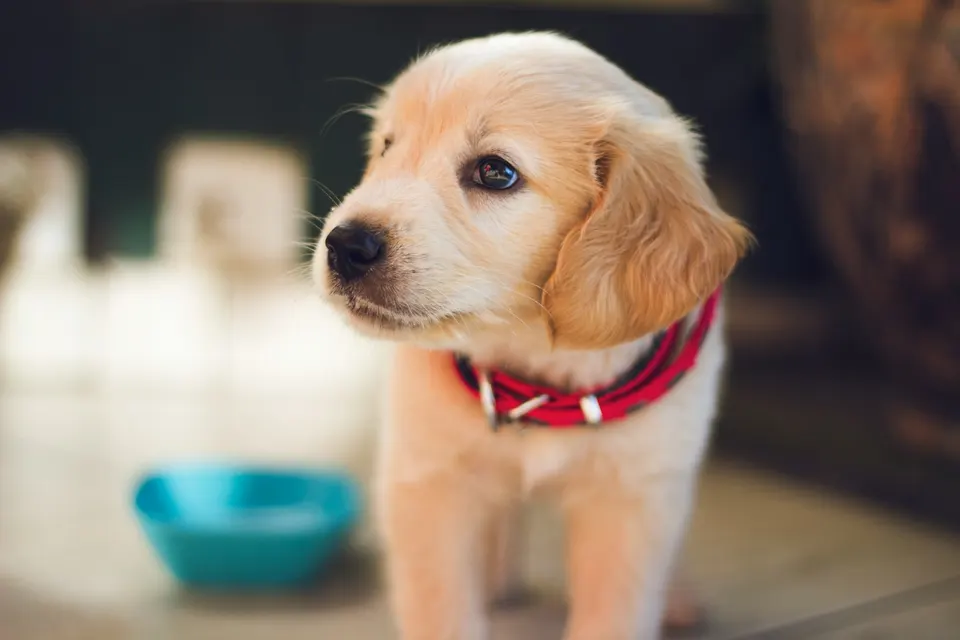
Bringing home an eight-week-old puppy is pure joy, right up until the 11pm panic: Have I already missed the window? Do I need a class? How much is this going to cost?
Here is the calm version. Puppy training in Singapore starts the day your pup walks through the door, not when you sign up for a course. The most important weeks of your dog's whole life are happening right now, and you do not need to spend a fortune to use them well. You just need to know what to do, when to do it, and how to pick help that won't undo your work.
This guide walks you through the timing, the real SGD costs, and how to choose a class, with Singapore's rules and quirks built in.
TL;DR — Puppy training in Singapore at a glance
- Start now. Learning begins the moment your puppy comes home (around 8 weeks). Formal classes come a little later.
- The socialisation window is roughly 3 to 16 weeks and you cannot get it back. This is the single most time-sensitive thing you'll read here.
- You can begin safe socialisation before full vaccination once the first vaccine set has had time to take effect. Confirm the exact timing with your own vet.
- Group puppy classes run about SGD 450 to SGD 880 per course; private sessions around SGD 215 to SGD 240 each.
- Choose a reward-based, AVS-accredited trainer. Avoid anyone selling shock collars, "alpha" dominance, or guaranteed results.
- Most of the work is free and happens at home. Classes accelerate it; they don't replace you.
When should you start training your puppy?
The honest answer: you already have. Every interaction with a young puppy is teaching it something, whether you mean to or not. The puppy that gets carried away from scary things learns the world is frightening. The puppy that gets a treat for sitting learns that calm pays.
So the real question isn't when do I start training, it's am I training on purpose yet.
Formal puppy classes usually begin once your pup has had its first vaccinations, often somewhere between 9 and 12 weeks. But the foundation, your puppy learning its name, getting comfortable being handled, meeting the world without fear, starts on day one. Waiting for a course to "begin training" is the most common way new owners lose precious time.
If you're still in the settling-in phase, our guide to the first week with a puppy covers the day-one logistics so you can focus on the learning.
The socialisation window (and why it's a deadline, not a suggestion)
Here's the part no one tells first-time owners clearly enough. Puppies have a critical socialisation period that runs from roughly 3 to 16 weeks of age. Singapore's Animal & Veterinary Service (AVS) describes it as approximately 3 to 14–16 weeks.
During this window, a puppy's brain is wired to accept new things as normal. After it closes, the same new things are far more likely to be filed under "scary". A puppy that meets calm strangers, gentle children, other vaccinated dogs, lifts, traffic, and a vacuum cleaner during this period tends to grow into a confident adult. A puppy that doesn't is at much higher risk of fear and reactivity later.
Socialisation is not just "letting your puppy meet dogs". It's positive exposure: new experiences paired with calm, treats, and choice. Quality over quantity. AVS specifically warns that overwhelming a puppy can achieve the opposite of what you want, so easy and happy beats big and stressful every time.
The window doesn't reopen. That's why it's worth understanding the one thing that holds most Singapore pawrents back: vaccination timing.
Socialisation vs vaccination — the timing every Singapore pawrent gets stuck on
This is where good intentions collide. You've been told to keep your unvaccinated puppy away from other dogs and public ground until its shots are complete. But full vaccination often isn't finished until around 16 weeks, exactly when the socialisation window is closing. Wait for one, and you risk missing the other.
There are two respected positions, and you should know both.
The American Veterinary Society of Animal Behavior (AVSAB) takes the view that socialisation should begin before a puppy is fully vaccinated. Its position statement notes that puppies can start classes as early as 7 to 8 weeks, provided they've had at least their first set of vaccines about a week earlier and show no signs of illness. Its reasoning: behavioural problems, not infectious disease, are the leading cause of death in dogs under three, because so many are surrendered or put to sleep for issues that early socialisation could have prevented.
Many Singapore vets take a more cautious line, advising owners to wait until vaccinations are complete before joining group classes or visiting public areas. Given Singapore's dense dog population and the realities of shared HDB spaces, that caution is understandable.
The practical middle path most behaviour-aware vets are comfortable with:
- Start socialising at home from day one, sounds, surfaces, handling, household comings and goings.
- After the first vaccine set has taken effect, carry your puppy through the neighbourhood so it sees and hears the world without paws on contaminated ground.
- Choose controlled, clean settings: a vet-run "puppy party", a reputable puppy class that checks vaccination status, friends' fully vaccinated and friendly adult dogs at home.
- Hold off on dog parks, grass verges where community dogs roam, and busy pet-shop floors until your vet gives the all-clear.
The right answer for your puppy depends on its health and your vet's read of local risk. Ask your vet directly: "How can I safely socialise my puppy before its shots are done?" A good vet will help you do both, not just tell you to wait.
How to start training at home in your first fortnight
You don't need a single class to begin. Here's a simple, free plan for your first two weeks that lays the groundwork for everything else.
- Teach the name and a reward marker. Say your puppy's name, and the instant it looks at you, mark it with a cheerful "yes" and a treat. This one habit underpins all later training.
- Handle gently, every day. Touch paws, ears, mouth, and tail for a second, then treat. This makes future vet visits, nail trims, and grooming dramatically easier.
- Introduce Singapore's soundtrack. Play recordings or wait for the real thing: the vacuum, doorbell, lift "ding", trolley wheels, motorbikes. Keep it low and pair with treats so none of it becomes scary.
- Set up a quiet zone or crate. A covered pen or crate gives your puppy a safe place to rest and starts healthy alone-time habits, which helps prevent separation anxiety down the line.
- Reward bite-inhibition. Puppies explore with their mouths. When teeth touch skin, calmly stop play for a few seconds. Reward soft mouths and chew toys. Don't punish, redirect.
- Practise tiny, happy reps. Three one-minute sessions of "sit" or a fun recall game beat one long, frustrating drill. End while your puppy still wants more.
Toilet training has its own rhythm, so we've kept it separate: see puppy potty training basics for the full routine.
A calm start beats a perfect one. If you only do two of these consistently, make it the name game and daily handling. Everything else builds on them.
New to pup-hood? We'll walk you through it.
Get our calm, Singapore-specific puppy guides, from socialisation to settling in, straight to your inbox. No fluff, no fear-mongering.
Join the Dog Pawrents list
Puppy class formats in Singapore — which one fits your pup?
Once you're past the at-home basics and your vet has cleared safe outings, a class adds structure, supervised socialisation, and a trainer who can spot problems early. The formats differ a lot, and the right one depends on your puppy's temperament and your schedule.
Puppy preschool / kindergarten / puppy party
The youngest-friendly option, often run by vet clinics or behaviour-led trainers and built around supervised play and gentle exposure. Many accept pups from around 8 weeks once the first vaccines are in.
- Best for: making the most of the socialisation window.
- Watch-out: confirm they check every puppy's vaccination status before play.
Group obedience class
Four to ten puppies learning basic cues, sit, down, recall, loose-lead walking, alongside controlled socialisation. The most affordable structured option.
- Best for: confident, sociable pups and owners who want to learn the mechanics.
- Watch-out: a shy or nervous puppy can be overwhelmed in a big group. Flag it to the trainer, or start private.
Private / in-home training
A trainer works one-on-one with you and your puppy, often in your own HDB flat. Tailored, flexible, and ideal if your pup is fearful, reactive, or your schedule is tight.
- Best for: nervous puppies, specific issues, or busy households.
- Watch-out: costs more per session; you still need to do the daily homework.
Board-and-train
Your puppy lives with a trainer for a few weeks of intensive work. For a young, healthy puppy, this is usually the wrong choice. Skills learned away from you often don't transfer home, and you miss the owner-education that makes training stick. It also sends a baby dog away during the very weeks it should be bonding with you.
For a full side-by-side of Singapore's training schools, their methods, and reviews, see our guide to the best dog training schools in Singapore. This article stays focused on the puppy stage; that one covers the wider landscape.
How much does puppy training cost in Singapore?
This is the question behind most "affordable puppy training" searches, so here are real, current SGD figures rather than vague averages. Treat them as advertised guides and confirm directly, as trainers adjust pricing.
Group puppy courses (multi-week)
- Happy-Dog Training: SGD 450 for 4 socialisation sessions, aimed at 8 to 16-week pups.
- Sunny Chong Dog Training School: from SGD 450 for 8 sessions.
- Pawsitive Furkids: around SGD 650 for a basic obedience course.
- Waggie: SGD 880 for an 8-week basic obedience course.
Per-session group classes
- Pet Coach SG: around SGD 80 to SGD 150 per session.
Private sessions
- Pet Coach SG and Pawsitive Furkids: roughly SGD 215 to SGD 240 per 60-minute private session.
Puppy programmes / packages
- Pet Coach SG: around SGD 500 to SGD 1,200 depending on scope.
What does "affordable" actually mean here? The cheapest course is not a saving if the method is wrong and you spend the next year fixing fallout. Budget for at least two or three follow-up sessions after any starter course, because reinforcement is where lasting change happens. And remember the most valuable training, your daily two-minute reps at home, costs nothing.
One Singapore-specific tip: some owner-focused dog courses are eligible for SkillsFuture credit if you're a Singaporean aged 25 or above. It's worth checking the course listing before you pay out of pocket.
How to choose a puppy trainer (the AVS-accredited shortcut)
Singapore makes vetting a trainer easier than most places, because there's an official benchmark. AVS runs an Accredited Certified Dog Trainer (ACDT) scheme, recognising trainers who hold certification from established bodies such as the IAABC, CCPDT, ABS, or ACVB. AVS publishes a public list of accredited trainers you can check against.
Accreditation signals that a trainer understands science-based, welfare-first methods. AVS endorses reward-based training and explicitly discourages aversive tools like shock and prong collars, which carry real risks of fear and aggression.
Before you commit, ask any trainer these five questions:
- Are you AVS-accredited, and through which certifying body?
- What happens when my puppy gets something wrong? (You want redirection and management, not punishment.)
- Do you use any collars or tools that cause discomfort? (A "no" is the answer you want.)
- How do you check vaccination status for group classes?
- Will you teach me, not just handle my dog?
Be wary of anyone who talks about being the "alpha", promises guaranteed results, or relies on tools that work through discomfort. Good puppy training builds trust. It shouldn't rely on fear.
Common first-timer puppy training mistakes
- Waiting until "fully vaccinated" to do anything. This is the big one. The window closes around 16 weeks; passive waiting wastes it. Socialise safely in the meantime.
- Throwing a nervous puppy into a big group. For a shy pup, that first overwhelming class can create the exact fear you're trying to prevent. Start private or small.
- Punishing accidents and mistakes. Telling off a puppy teaches it to hide from you, not to behave. Reward what you want instead.
- Expecting board-and-train to "fix" a baby dog. A puppy needs you, not a boot camp.
- Inconsistency across the household. If one person allows the sofa and another doesn't, your puppy just learns to gamble. Agree the rules as a family.
- Skipping handling and desensitisation. The pup that never had its paws touched becomes the dog that dreads nail trims for life.
Frequently asked questions
When can my puppy start socialising before full vaccination? Many behaviour-aware vets are comfortable with gentle socialisation once your puppy has had its first vaccine set and about a week for it to take effect, as long as you stick to clean, controlled settings and avoid high-risk public ground. Some Singapore vets prefer to wait until vaccinations are complete. Ask your own vet what's safe for your puppy.
How much does puppy training cost in Singapore? Group puppy courses typically run SGD 450 to SGD 880, per-session group classes around SGD 80 to SGD 150, and private sessions roughly SGD 215 to SGD 240 each. Daily training at home costs nothing and matters most.
Is a group or private class better for my puppy? Group classes are great for confident, sociable pups and are more affordable. Private or in-home training suits nervous or reactive puppies, specific issues, or tight schedules. Many owners do a bit of both.
Do I need an AVS-accredited trainer? For most puppies it isn't legally required, but it's a useful shortcut to a reward-based, qualified trainer. Some dogs do require it under AVS rules: specified breeds, dogs assessed as aggressive or potentially dangerous, and dogs adopted through Project ADORE must complete basic obedience training with an accredited trainer, with the certificate submitted within 10 weeks.
Can I train my puppy myself without classes? Yes, especially for the basics, name recognition, sits, handling, and early socialisation. Classes add supervised social time and expert eyes, but plenty of well-adjusted dogs are trained largely at home with consistency and good information.
What age is too late to start? It's never too late to train, dogs learn throughout life. But the socialisation window around 3 to 16 weeks is uniquely valuable, so the earlier you start, the easier everything is.
The bottom line
The thing to take away is simple: the most important training window of your dog's life is open right now, and it's shorter than you think. You don't need to spend big or wait for the perfect class to use it well.
Start safe socialisation at home today, the name game, daily handling, the sounds of HDB life. Talk to your vet this week about how soon your puppy can safely join the world. Then book a reward-based, AVS-accredited puppy class for once those first vaccines are in.
Do that, and you're not just raising an obedient dog. You're raising a confident one, the kind that takes lifts, neighbours, and city life in its stride. That's the real goal, and you're already on your way.