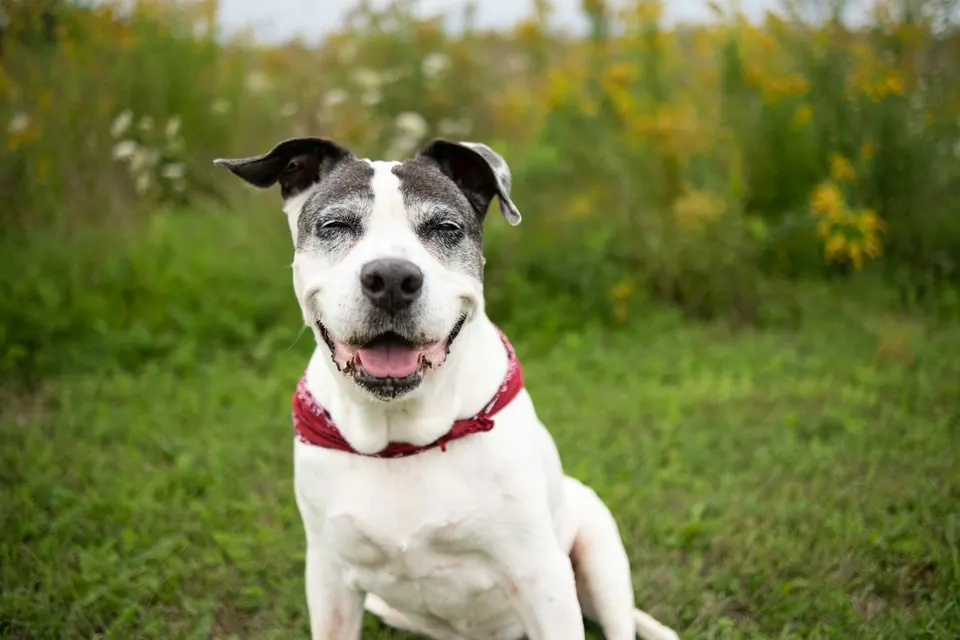
Your dog has started taking the stairs more slowly. The muzzle is greying, the afternoon naps are longer, and you find yourself wondering whether this is simply age, or something you should be doing something about. Senior dog care in Singapore sits right at that worry, and the honest answer is reassuring: most of what we read as "just getting old" is manageable, and some of it is genuinely treatable.
The harder truth is that our climate makes the senior years tougher here than almost anywhere. Year-round heat and humidity ask more of an ageing body, and a flat in the tropics needs a bit of thought to stay comfortable for a dog whose thermostat no longer works the way it used to.
This guide walks through what changes as your companion ages, how Singapore's weather affects an older dog specifically, how to tell ordinary ageing from a problem worth a vet visit, and what senior care realistically costs in SGD.
TL;DR
- A dog is "senior" based on size, not a fixed birthday: small breeds around 10–12 years, medium around 8–10, large breeds from about 7, and giant breeds as early as 6.
- Singapore's year-round heat and humidity hit older dogs harder. Reduced heat tolerance, faster dehydration, and humidity-driven skin and ear issues are the main risks.
- Heatstroke is an emergency. Heavy panting, drooling, bright red gums, wobbliness or collapse means cool your dog and get to a vet immediately.
- Stiffness, slowing down, and slipping on smooth floors often point to arthritis, which responds well to weight control, traction, and vet-led care.
- Many "old age" signs (drinking more, bad breath, new lumps, night-time confusion) are treatable conditions, not just ageing. They deserve a check, not a shrug.
- Senior dogs benefit from moving to roughly six-monthly vet visits. Budget for routine consults plus periodic blood screening.
When is a dog actually "senior"?
There's no single birthday that flips a dog from adult to senior. It depends mostly on size, because larger dogs age faster.
As a rough guide:
- Small breeds (under 10kg): senior around 10–12 years
- Medium breeds (10–25kg): senior around 8–10 years
- Large breeds (25–40kg): senior from about 7 years
- Giant breeds (over 40kg): senior as early as 6 years
These thresholds follow the American Animal Hospital Association's life-stage guidelines, which place a dog in the senior stage during roughly the last quarter of its expected lifespan. They're ranges, not rules. A healthy 9-year-old Poodle and an 8-year-old Labrador are in very different places, even though the numbers look similar.
It helps to treat "senior" as a life stage rather than a diagnosis. Nothing is wrong with your companion. They simply need care that's tuned to an older body, the way a puppy needed different care from an adult.
A greying muzzle on its own is not a worry. The signals worth paying attention to are changes in behaviour and movement: a dog who hesitates at the stairs, tires sooner on walks, or sleeps more deeply than before. Those are the cues that it's time to adjust how you care for them.
Singapore's heat and humidity hit senior dogs harder
Singapore is hot and humid every single day of the year, with daily highs typically around 31–33°C and humidity that rarely lets up. There's no cool season to give an ageing body a break, and that matters more than most pawrents realise.
Dogs cool themselves mainly by panting, which relies on moisture evaporating from the airways. When the air is already saturated with humidity, panting becomes far less effective, so a dog overheats faster. An older dog's ability to regulate temperature is already reduced, so the two problems compound.
The everyday risks for a senior dog in our climate are:
- Faster dehydration, because older dogs may drink less and lose fluid quickly in the heat
- Heat exhaustion and heatstroke, which come on faster than owners expect
- Skin and ear infections, as warmth and moisture in skin folds and floppy ears create the perfect environment for problems
- Worse joint pain, since heat and humid spells can aggravate stiff, arthritic joints
Heatstroke is the one to take seriously. The warning signs are heavy, frantic panting, thick drooling, bright red gums, a dazed or wobbly walk, vomiting, or collapse. This is a medical emergency. Move your dog somewhere cool, wet them with room-temperature (not ice-cold) water, offer small sips, and get to a vet straight away. Never wait to "see if it passes".
Keeping an old dog cool in an HDB flat
Most of us are caring for senior dogs in flats, which is actually an advantage: with a little setup, a home stays far more comfortable than the world outside.
- Time walks for the cool hours. Early morning and after dark only. Skip the midday sun entirely, and press the back of your hand to the pavement first. If it's too hot for your hand, it's too hot for paws.
- Use the cool spots. Tiled floors stay cooler than the rest of the flat. Many older dogs will find the kitchen or bathroom tiles on their own. A cooling mat gives them another option.
- Move the air. Position a fan where your dog rests, or run the aircon on warmer days. Keep their bed out of direct sun and away from a draught blowing straight onto old joints.
- Water everywhere. More than one bowl, topped up and fresh, makes drinking effortless. A few ice cubes can tempt a reluctant drinker.
- Bring the fun indoors. On days too hot for a proper walk, snuffle mats, lick mats, and gentle scent games keep an older dog engaged without the heat load.
And the obvious one that still bears repeating: never leave a dog in a parked car, not even for a minute. In our climate it turns dangerous in moments.
Love practical, Singapore-specific pet care like this? Get calm, research-backed tips for every life stage, including the senior years, sent straight to your inbox.
Get the free SG Pawrent Essential KitJoints, arthritis and mobility in a humid climate
Arthritis is one of the most common conditions in older dogs, and our humid weather can make flare-ups feel worse. The good news is that it's very manageable once you spot it.
The early signs are easy to miss because they're gradual:
- Stiffness when getting up, especially after a nap
- Reluctance to take stairs, jump onto the sofa, or hop into the car
- Slipping or scrabbling on smooth flooring
- Slowing down or lagging on walks
- Licking at a particular joint
If any of these sound familiar, the single most useful thing you can do is manage weight. Every extra kilo puts more load on sore joints, and keeping an ageing dog lean does more for their comfort than almost anything else.
After that, it's about making your home work with their body:
- Add traction. Lay rugs or runners across tiled walkways so paws grip instead of slide. This one change can transform a nervous, slipping senior into a confident one.
- Remove the leaps. A ramp or set of pet steps to the sofa, bed, or car spares the joints the impact of jumping.
- Upgrade the bed. A supportive orthopaedic bed cushions stiff hips and elbows far better than a thin mat.
- Keep movement gentle and regular. Several short, easy walks suit an arthritic dog better than one long weekend outing that leaves them aching for days.
Many pawrents ask about joint supplements such as glucosamine, omega-3 fatty acids, or green-lipped mussel. Some dogs do seem to benefit, but evidence varies and quality differs between products, so treat them as something to discuss with your vet rather than buy on impulse. Your vet can also offer proper pain relief and other treatments when arthritis is more advanced. Please don't reach for human painkillers at home: several are toxic to dogs.
"Is it just old age?" — symptoms that are often treatable
This is the section that matters most, because the most common mistake in senior care is writing off a treatable problem as "she's just getting old".
Ageing itself isn't a disease. But several changes we tend to accept as inevitable are actually signs of conditions a vet can help with:
- Drinking and weeing much more than usual can point to kidney disease, diabetes, or a hormonal condition like Cushing's.
- Bad breath or reluctance to eat is often dental disease, which is painful and very common in older dogs, and fixable.
- A new lump or bump should always be checked rather than assumed harmless. Most aren't sinister, but the only way to know is to have it looked at.
- Slowing down or changing weight may be arthritis, an underactive thyroid, or a heart problem, not simply low energy.
- Pacing at night, confusion, staring at walls, or accidents indoors can be canine cognitive dysfunction, a dementia-like condition that has management options.
None of this is cause for panic. The point is the opposite of alarm: these are reasons to book a calm vet visit rather than resign yourself to watching your companion fade. For a broader picture of what to watch for at any age, our guide to common dog health issues in Singapore is a useful companion read.
Vet visits for senior dogs: how often, and what it costs in Singapore
Healthy adult dogs generally do fine on an annual check-up. Senior dogs benefit from seeing the vet more often, because problems develop and progress faster at this stage. A common recommendation is to move to roughly six-monthly visits once your dog is officially a senior.
A senior or geriatric check usually goes beyond the standard exam. Alongside the physical once-over, weight and body condition assessment, and dental check, your vet may recommend:
- Blood work, typically a complete blood count and a biochemistry panel that checks organ function such as kidneys and liver
- A thyroid test, since thyroid problems become more common with age
- A urine test, which adds an early picture of kidney health
- Blood pressure, particularly if other findings suggest it's worth checking
This bloodwork is the real value of a senior check. It can catch kidney, liver, or thyroid issues long before your dog looks unwell, when there's far more a vet can do.
On cost, it helps to think in ranges and confirm with your own clinic, since prices vary widely. As a rough Singapore guide, a routine vet consultation tends to start somewhere around SGD 25 to SGD 60, with premium clinics, after-hours visits, and longer consultations costing more. A full blood profile is the bigger line item, commonly running from around SGD 190 upward on its own.
Many local clinics fold this into a senior wellness package rather than charging à la carte. Vet Central, for example, lists a Canine Wellness Senior Lite plan for dogs above five at SGD 410, and an enhanced plan for dogs above eight at SGD 590. Atlas Veterinary Clinic runs screening packages pitched at dogs over six and over eight, with blood testing in the region of SGD 200 to SGD 350. Treat these as illustrative rather than fixed: ask your own vet what their package covers and which suits your dog's age and size.
If the cost of testing and treatment for an ageing dog feels daunting, that's exactly the gap pet insurance is meant to cover, though policies treat older dogs and pre-existing conditions differently. Our guide to dog insurance in Singapore breaks down what's actually covered, and our walk-through of the annual vet check-up explains what a standard visit involves before you step up to senior screening.
Setting up your home for an ageing dog
Small changes around the flat make a real difference to an older dog's comfort and confidence. Most cost very little.
- Traction first. Non-slip rugs along their usual routes prevent the anxious skidding that smooth floors cause.
- Ramps and steps where they used to jump, so favourite spots stay reachable without the impact.
- Raised food and water bowls let a stiff neck and shoulders eat and drink without stooping.
- A warm, supportive bed in a quiet corner, out of direct sun and away from an aircon draught.
- Easy access to water and the toilet area, with fewer obstacles in between.
- A soft nightlight helps a dog whose eyesight is fading move around after dark.
- Keep the routine predictable. Familiar mealtimes, walk times, and furniture positions are comforting for a dog whose memory may be slipping.
The aim is simple: let your old friend keep doing the everyday things they love, with a little more support and a lot less strain.
Frequently asked questions
At what age is a dog a senior? It depends on size, because larger dogs age faster. Small breeds are usually considered senior around 10–12 years, medium breeds around 8–10, large breeds from about 7, and giant breeds as early as 6. Watch for changes in energy and movement rather than fixating on a number.
How often should a senior dog see the vet in Singapore? Roughly every six months is a common recommendation for senior dogs, compared with annually for healthy adults. More frequent visits help catch age-related problems early.
How do I keep my old dog cool in an HDB flat? Walk only in the cool early-morning and evening hours, use cooling mats and tiled floors, position a fan or aircon near their resting spot, keep multiple water bowls topped up, and swap hot-day walks for indoor enrichment.
What blood tests do senior dogs need, and what do they cost? Senior screening usually includes a complete blood count, a biochemistry panel for organ function, often a thyroid test, and sometimes a urine test. It's commonly sold as a package; costs vary by clinic and how comprehensive the panel is, so ask your vet for a quote.
Are joint supplements worth it for arthritis? Some dogs appear to benefit from supplements like glucosamine, omega-3, or green-lipped mussel, but evidence varies and product quality differs. Treat them as something to discuss with your vet alongside weight management, which is the most effective step of all.
Is it normal for an old dog to sleep all day? More sleep is normal with age, but a sudden increase, or sleep paired with other changes like drinking more or losing weight, is worth a vet visit rather than something to brush off.
The years worth showing up for
Caring for a senior dog in Singapore comes down to a few steady habits: keep them cool and lean, make the home easy on tired joints, and treat new symptoms as questions for your vet rather than facts of life. The climate asks a little more of you here, but a well-set-up flat and earlier vet visits cover most of it.
These can be some of the most rewarding years you'll share. Your companion has spent a lifetime showing up for you. The senior chapter is simply your turn to do the same, with a bit more attention and a lot of love.